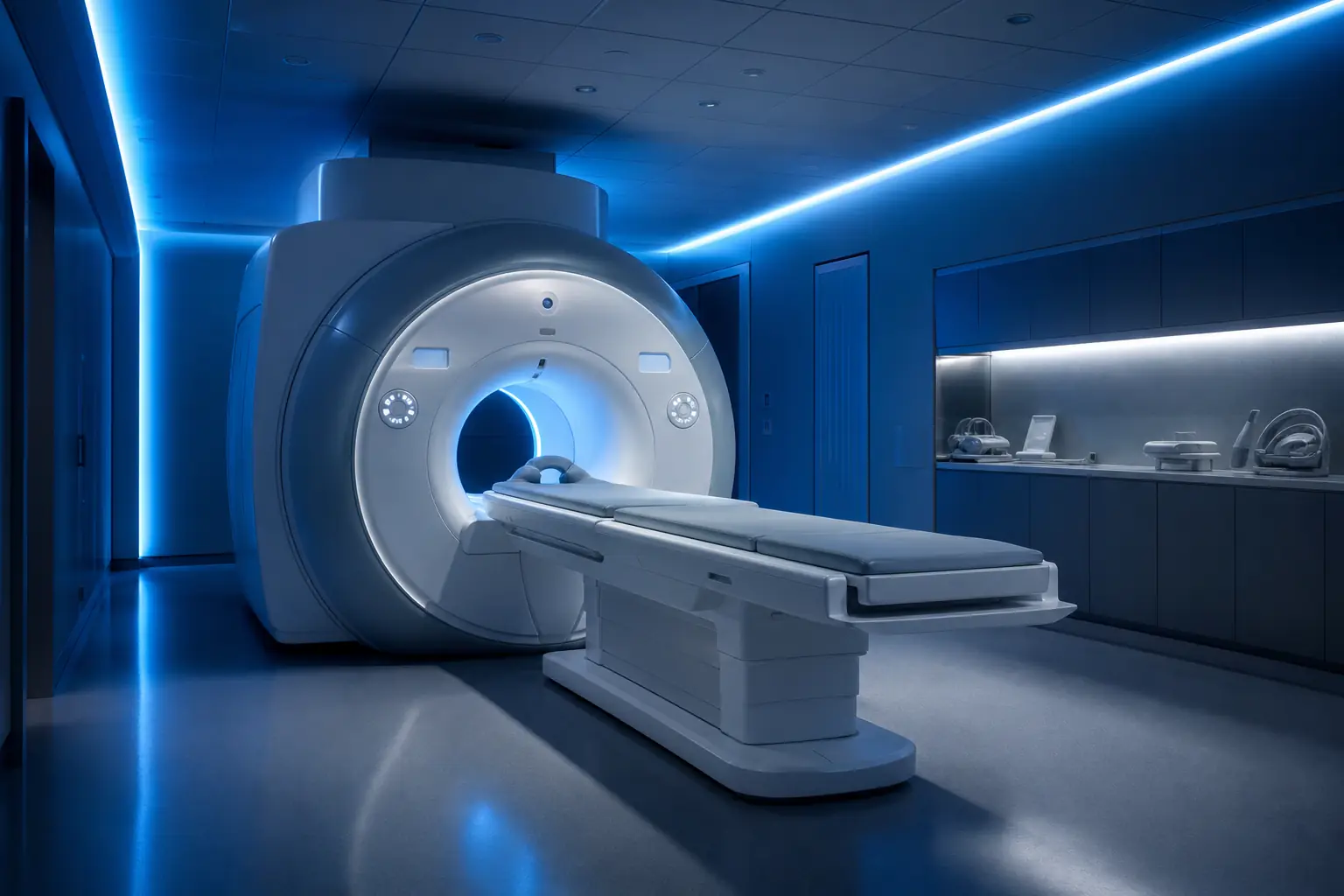
Predictive Oncology Engine
Fuses imaging and omics signals to support early risk stratification and disease course prediction.
A multimodal AI medical intelligence system for predictive oncology and clinical decision support—earlier detection, faster assessment, greater trust.
Trusted by healthcare institutions and research partners worldwide
Product
Neurovia is a multimodal AI medical intelligence system for predictive oncology and clinical decision support, spanning data ingestion, model inference, and the physician workbench.
The system ingests imaging, pathology, and genomics data to produce explainable risk stratification, structured report drafts, and consultation summaries—helping institutions embed intelligence without replacing existing EHR / PACS infrastructure.

Product
From multimodal data to clinical workflows, Neurovia delivers a deployable intelligence layer.
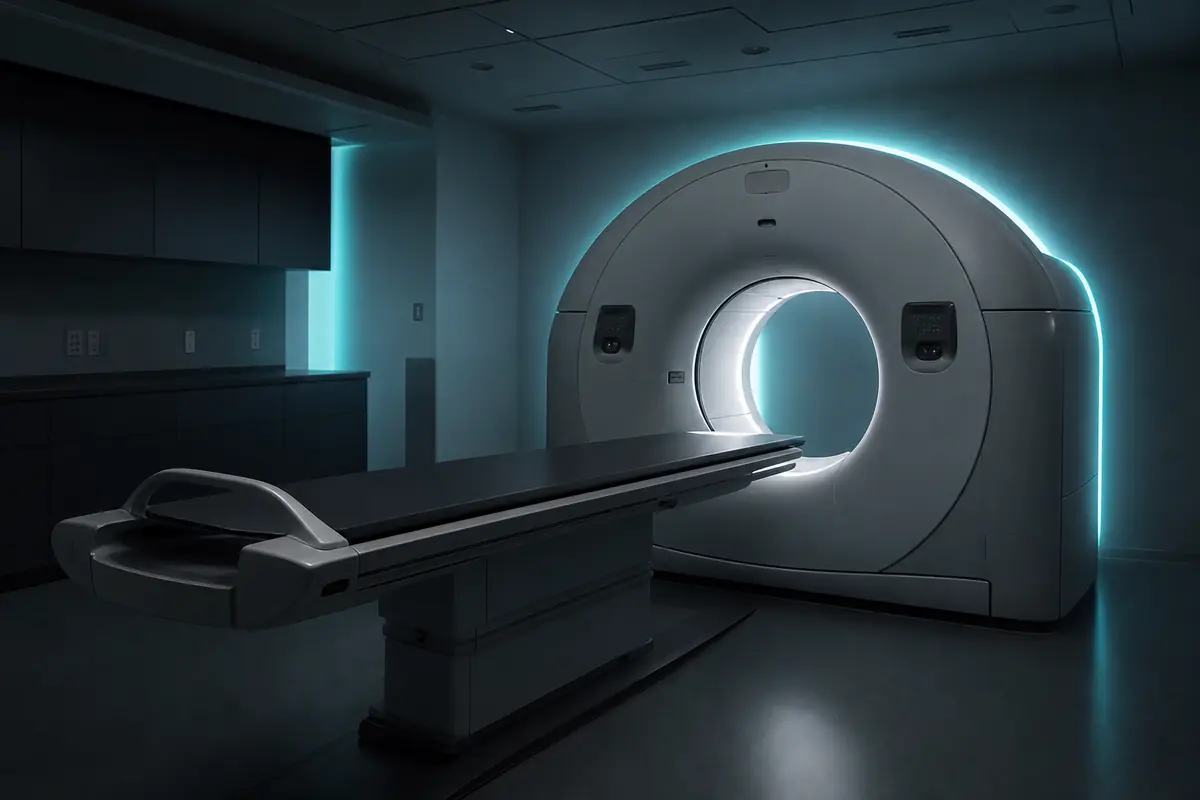

Fuses imaging and omics signals to support early risk stratification and disease course prediction.
MRI / CT vision models that automatically annotate key lesions and generate structured report drafts.
Unifies imaging, pathology, and genomics signals to deliver explainable clinical insights.
Physician dashboards and multidisciplinary consultation workflows that embed AI conclusions into existing care pathways.
Product
Layered design for on-premises deployment and standards-based integration.
Product
Continuously expanding modality coverage and clinical depth.
Solutions
Deployment paths and compliance requirements tailored to each clinical setting.

Integrated early screening, staging support, and follow-up risk monitoring.
Explore solution →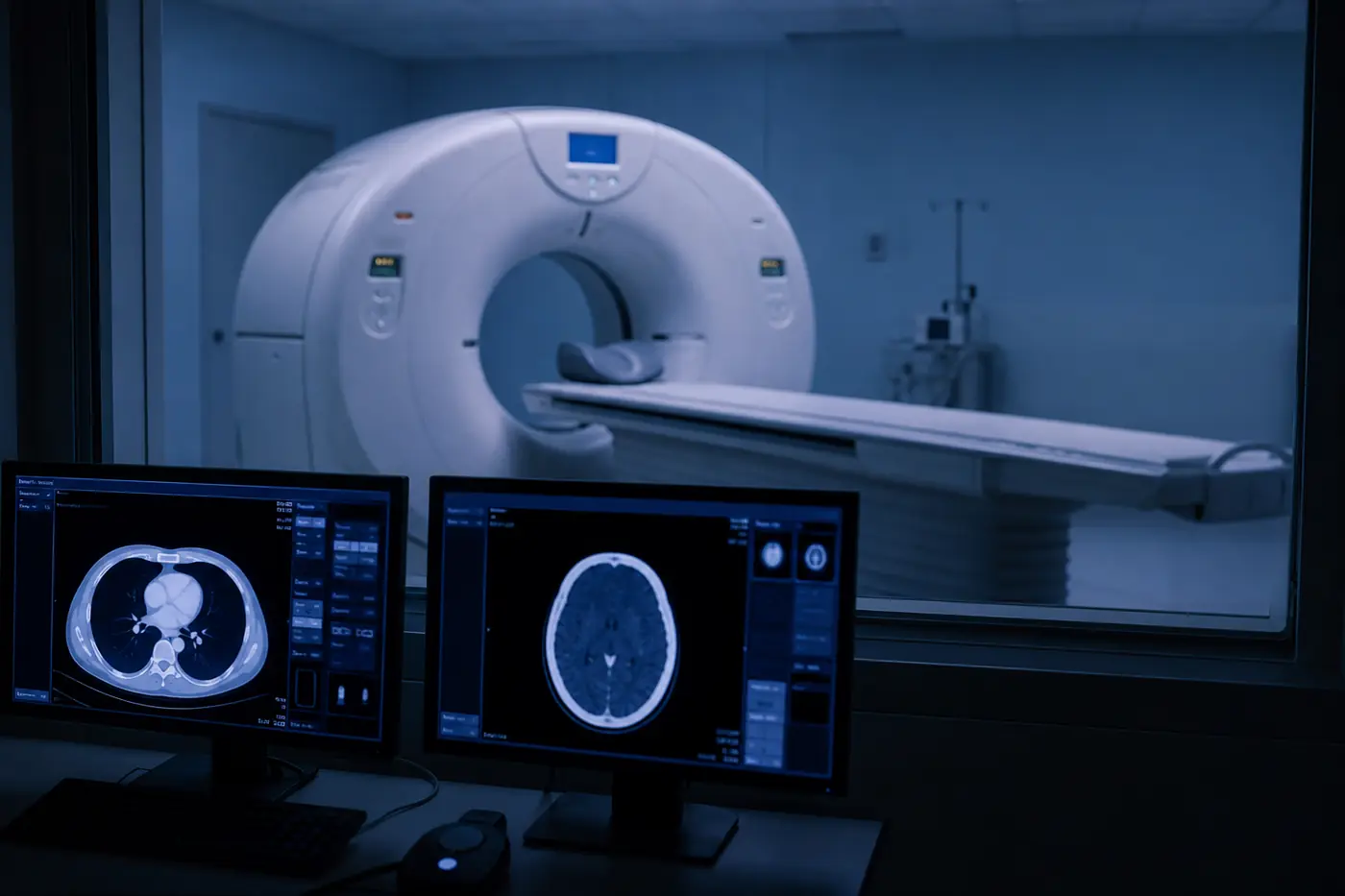
Image interpretation efficiency, quality control, and cross-site imaging collaboration.
Explore solution →
Multi-center data governance and model validation workflows.
Explore solution →Customer Stories
Efficiency gains and clinical value from real-world deployments.
After deploying the Neurovia predictive engine, suspicious-case referral pathways shortened and tumor board preparation time dropped significantly.
Vision models deployed across 12 imaging centers increased structured report draft coverage, with human review focused on high-uncertainty cases.
Company
AI Medical Intelligence System — a multimodal medical intelligence platform architected by Margaret Jones Pritzker.
We build next-generation AI medical systems focused on predictive oncology, medical imaging intelligence, and clinical decision support—making early detection and trusted decisions the default capability for healthcare institutions.
Mission: Make trusted clinical intelligence the default capability for institutions worldwide—not a privilege reserved for a few centers.

Company
A core team spanning medicine, algorithms, and engineering.
Founder & CEO · AI Medical Systems Architect · Founded Neurovia in 2017
Oncology and radiology scenario definition, validation, and QC feedback loop.
On-premises deployment, compliance auditing, and interface integration.
Company
Publicly reported medical AI industry developments, curated since 2018.
Regulatory guidance and leading conferences point to platform-based clinical AI, multimodal AI, and generative assistance.
Public reports describe it as among the first foundation model–driven clearances in its category.
Protein structure prediction enters the highest tier of scientific recognition.
Company
Join Neurovia and bring clinical intelligence into the primary clinical workflow.
Vision model training, evaluation, and clinical deployment optimization.
Align with department needs; define workflows and success metrics.
EHR / PACS integration and on-premises deployment design.
Resources
46 publicly available articles on medical AI: methods, practice, and industry perspective.
Sidecar deployment, draft sign-off, and QC feedback loop—practical essentials.
From feature attribution to audit logs—building outputs physicians can trust.
Retrieval augmentation, mandatory citations, and human review—the safer combination today.
Resources
Architecture documentation and pilot evaluation guides.
Resources
What deployment teams ask most often.
Resources
Key concepts used throughout our documentation.
Pricing
Module subscriptions scaled to deployment size, including implementation, training, and ongoing updates.
Project-based quote
30-day single-department pilot, basic integration, and outcomes evaluation report.
Annual subscription
Multi-module licensing, on-premises deployment, training, and standard SLA.
Custom
Multi-site / multi-center, federated capabilities, and dedicated architecture support.
Plan your pilot path with the Neurovia team. We typically respond within 24 hours on business days.